
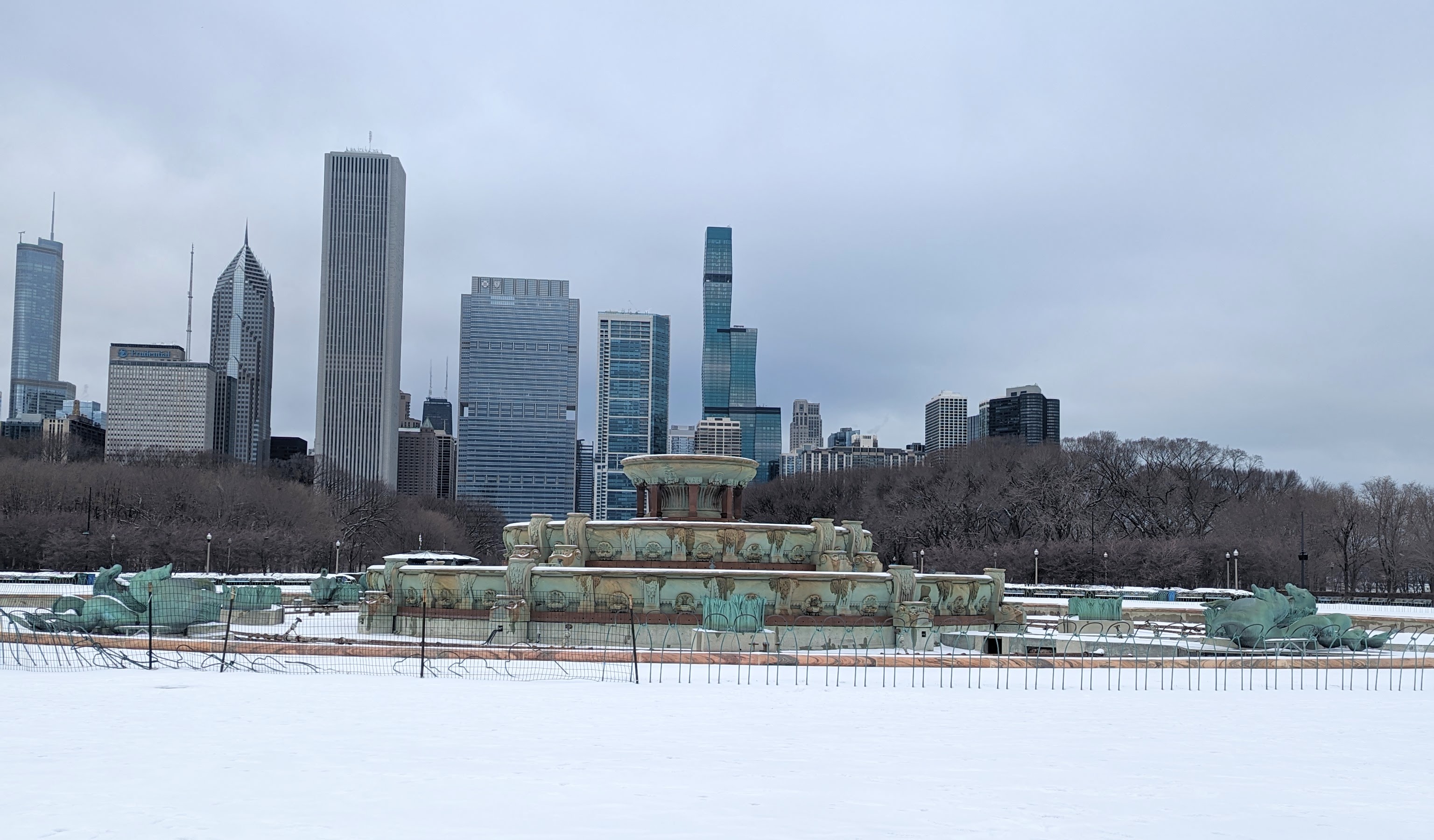
Sometimes, I say to myself: “I really hate Winter.” In actuality, it’s not Winter that I hate. The mood change that I associate with Winter is what I dislike the most, and I’m finding that I am not the only one. As the days get shorter and the weather turns colder, many people find themselves experiencing a dip in their mood and energy levels. This feeling is a common phenomenon called Seasonal Affective Disorder (SAD). In this article, I’ll discuss the science behind SAD and provide tips for managing its symptoms.
What is Seasonal Affective Disorder Anyway?
Seasonal Affective Disorder is a type of depression. It typically occurs during the fall and winter months. While the exact cause of SAD is unknown, researchers believe it may be related to the reduced amount of sunlight during these months. I find the darkest days the hardest. When we have several in a row, I start to get down. The reason for this is that this reduction in sunlight can disrupt our circadian rhythms and decrease the production of serotonin. Serotonin is a neurotransmitter that regulates mood.
Symptoms of SAD
The symptoms of SAD vary by individual, but common signs include:
- Low mood or feelings of hopelessness
- Fatigue and lack of energy
- Difficulty concentrating
- Increased appetite and weight gain
- Loss of interest in activities you once enjoyed
- Social withdrawal
Managing SAD
While there is no cure for SAD, there are several strategies that can help manage its symptoms. Here are some tips that have helped me:
- Get outside: Even on cloudy days, being outdoors can help increase your exposure to natural light, improving your mood and energy levels. Through routine blood tests, I have found that my vitamin D decreases in the Winter. Getting outside helps my overall mood.
- Light therapy: Light therapy involves sitting in front of a special light box which emits bright light that mimics natural sunlight. This therapy can help regulate your circadian rhythms and improve your mood. I still need to do this, but I am researching it.
- Exercise: We all know regular exercise can help boost your mood and energy levels. The goal is to aim for at least 30 minutes of moderate exercise each day. I’ve incorporated 30 minutes of walking as my exercise portion of my 30-30-30 plan. If you want more info on this plan, click the link.
- Connect with others: Social support is essential for managing SAD. Make time for friends and family, or consider joining a support group. I have anxiety, especially about talking on the phone. I find that just reaching out by chat or text is hugely uplifting. You can read more about my personal disorders and journey here.
- Talk to a professional: If your symptoms are severe, consider talking to a mental health professional. If one is not available, consider your primary care provider. They can help you develop a treatment plan that works for you. I, myself, have embraced seeing a therapist once again. If this option is available to you, I highly recommend it.
Final Thoughts
Finally, Seasonal Affective Disorder is a common condition that can be managed with the right strategies. I’m still learning about it; however, I wanted to bring awareness as we enter mid-winter, as this is when it affects me most. So the next time you feel blah about the weather and Winter, remember my tips. By getting outside, using light therapy, exercising, connecting with others, and seeking professional help, you can improve your mood and energy levels during the fall and winter months.
Thanks for reading. –xxooC

Tell Me Something Good